Dynamic MedTech
Static scopes belong to an era where patients travelled to the room.
Dynamic endoscopes belong to an era where the room travels to the patient, in every neighbourhood, in any facility.
Dynamic endoscopes belong to an era where the room travels to the patient, in every neighbourhood, in any facility.
50x
more affordable devices
5x
international awards






01
About us
From theatre bottlenecks to neighbourhood care. From months of waiting to minutes of certainty.
What makes our MedTech dynamic?
Ecosystems: The world does not need another device that behaves like an island. It needs an endoscopy system where scopes, data and care pathways speak the same language, so teams spend less time stitching things together and more time moving care forward. When everything is designed as one ecosystem, endoscopy stops clogging the corridor and starts acting like reliable, productive infrastructure.
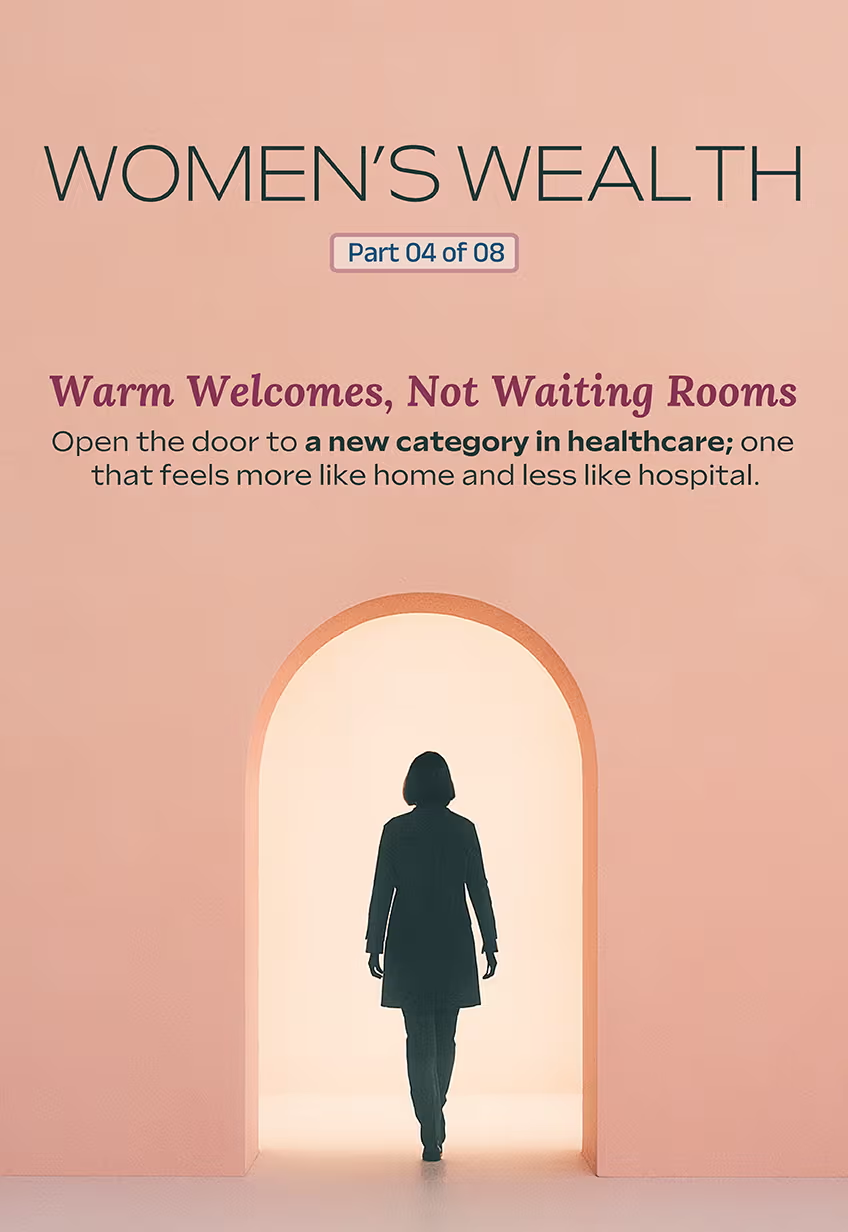
Field Note #004: A New Category in Healthcare
Malleability: The day changes. The tool should too. Modular components and configurable workflows let one platform flex from a neighbourhood clinic to a tertiary theatre without forcing staff to relearn the world each time. Dynamic MedTech fits how clinicians already work, then gives health systems room to grow without cracking under demand.

Field Note #002: Fixing Foundations
02
Milestones
Dynamic MedTech is not a tagline. It is a design requirement for the next wave of endoscopic care.
3
patents
ZA | US | EU
$500k
USD
Capital Raised
22+
advisors
Clinician Contributors
2
usability trials
1 Published Paper
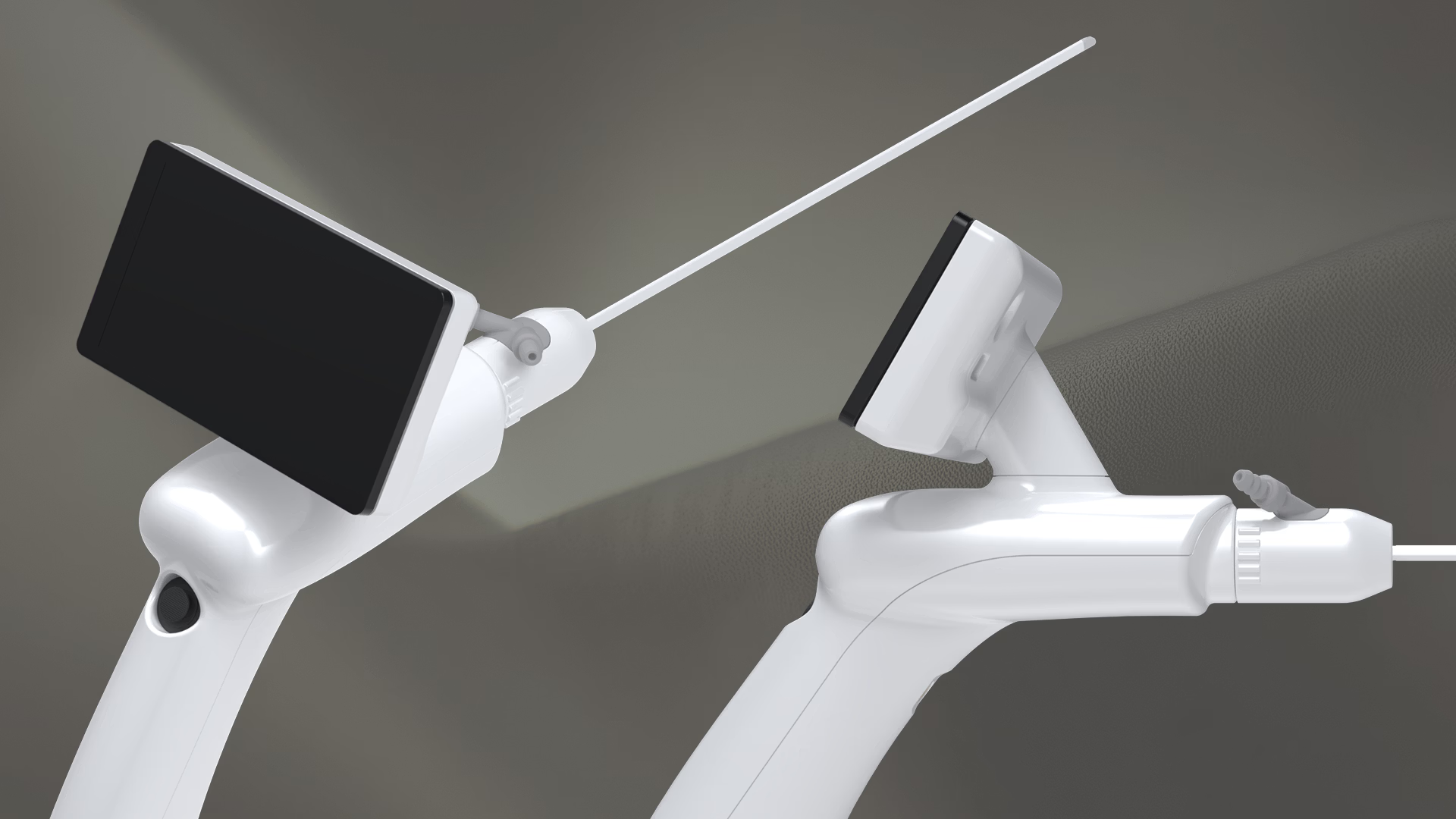
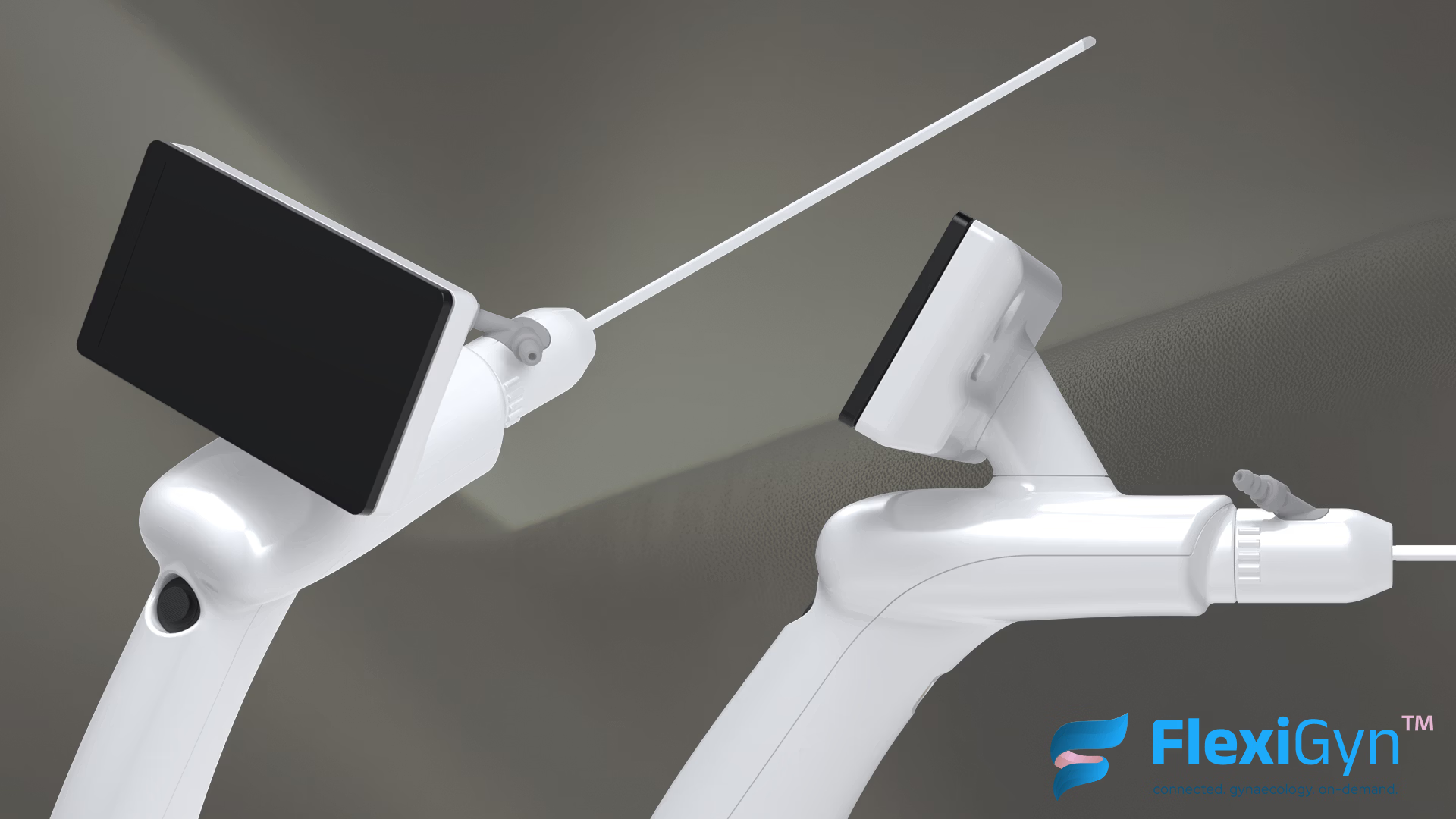
FlexiGyn™ | Neighbourhood Gynaecology
Services
03
Less slide decks, more scope and real rollout.
None of us has an endless supply of time; it's the the only currency, the real breakthrough. Less time waiting, less time repeating, more time treating.
We work with teams from first insight through to daily use, so those months are turned into minutes returned to patients, clinicians and the system.
We work with teams from first insight through to daily use, so those months are turned into minutes returned to patients, clinicians and the system.





dynamic medtech